

The Future of SEO: GEO, Voice, and Visual Search in 2025

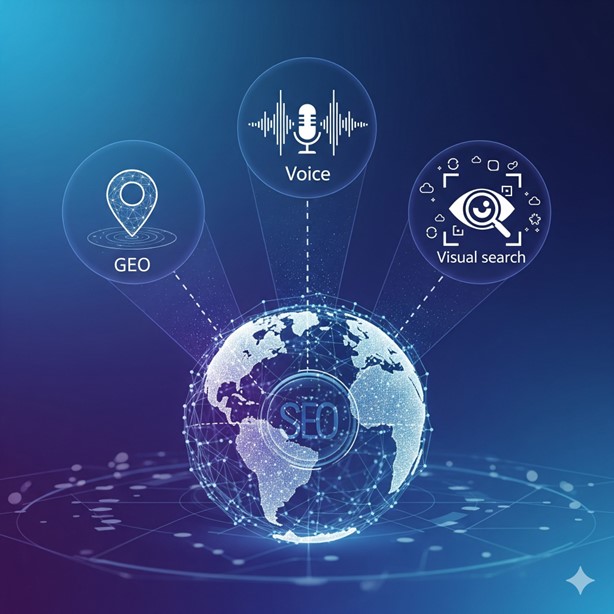
The Future of SEO: GEO, Voice, and Visual Search in 2025
BY Shafaq Sabeen
Shafaq Sabeen is a digital marketer and writer passionate about AI, SEO, technology, and the future of digital trends. She helps businesses simplify complex strategies into clear, people-first content.
The ever-evolving world of SEO can feel like trying to hit a moving target, right? But fear not, fellow internet traveler! Let’s break down what’s happening and how you can stay ahead of the curve in a way that’s easy to digest.
At its core, SEO (Search Engine Optimization) is about helping people find you. For years, that meant stuffing the right keywords into websites, building backlinks, and hoping to land on the first page of Google.
Beyond Algorithms: The Rise of User-First SEO
Remember when SEO was all about stuffing keywords and tricking Google? Those days are gone.
Now, Search engines are getting incredibly smart. They’re less interested in tricky tactics and more interested in what users actually want. This means:
- Understanding Intent: They don’t just read words—they try to understand why you’re searching.
- Quality Over Quantity: They reward content that actually helps, not just fills space.
- User Experience (UX): And if your site is slow or clunky, users leave—and Google notices.
In short, SEO has grown up. It’s less about algorithms, more about people.
The New Kids on the Block: Voice, Visual, and Geo Search
These are the exciting frontiers of search, and they’re changing how we think about optimization:
Voice Search: SEO Meets Conversation
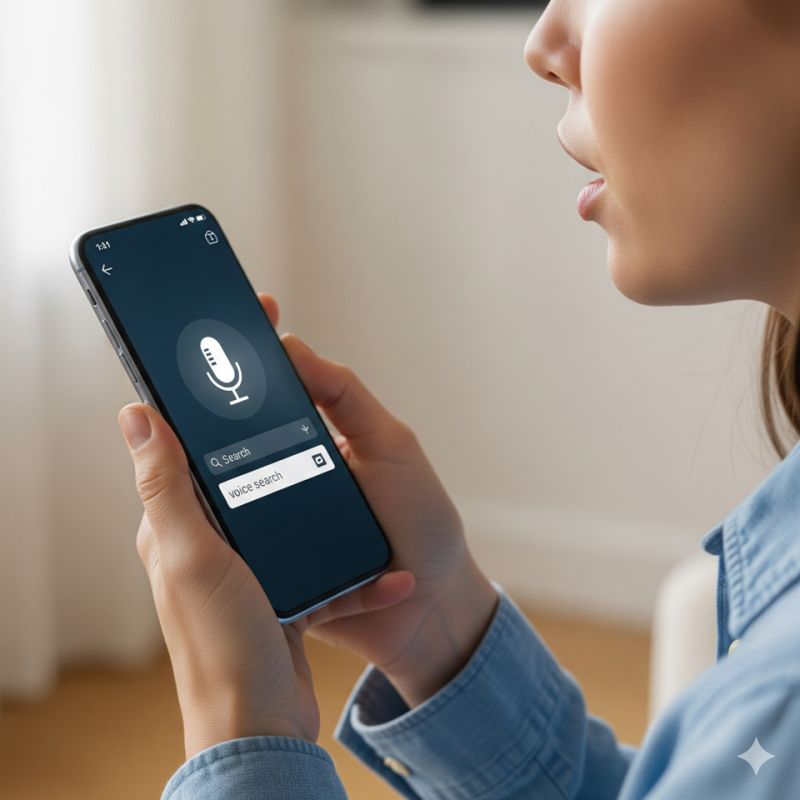
Imagine you’re cooking, hands covered in flour, and you ask Alexa: “Hey, how many cups are in 200 grams of flour?”
This is voice search in action—conversational, hands-free, and growing fast.
How it’s Evolving: People use more natural, conversational language when they speak their searches. They’re often asking questions.
How to optimize for voice search:
- Answer Questions Directly: Think about the questions your audience might ask and provide clear, concise answers on your site. FAQs are your friend!
- Use Long-Tail Keywords: These are longer, more specific phrases that mirror how people speak. Instead of “best coffee,” think “what’s the best local coffee shop with outdoor seating?”
- Be Conversational: Write your content in a natural, easy-to-read way.
If your content sounds like something a friend would say, you’re already on the right track.
Visual Search: Snap, Click, Discover
Let’s say you see someone’s sneakers on Instagram and think, I need those.
Instead of typing “white sneakers with red stripe,” you open Google Lens, snap a photo, and find them instantly.
That’s visual search—and it’s becoming a huge part of e-commerce, travel, and lifestyle industries.
How it’s Evolving: As cameras and AI get better, we’ll see more sophisticated visual search capabilities, from identifying objects to understanding scenes.
How to optimize for visual search:
- High-Quality Images: This goes without saying, but clear, relevant images are a must.
- Alt Text is Crucial: Describe your images thoroughly in the alt text. This helps search engines understand what’s in the picture (and is great for accessibility!).
- Image Sitemaps: Help search engines discover all the images on your site.
- Product Feeds: If you sell products, make sure your product images and data are well-organized and easily discoverable.
Here’s an example of what that might look like in action:
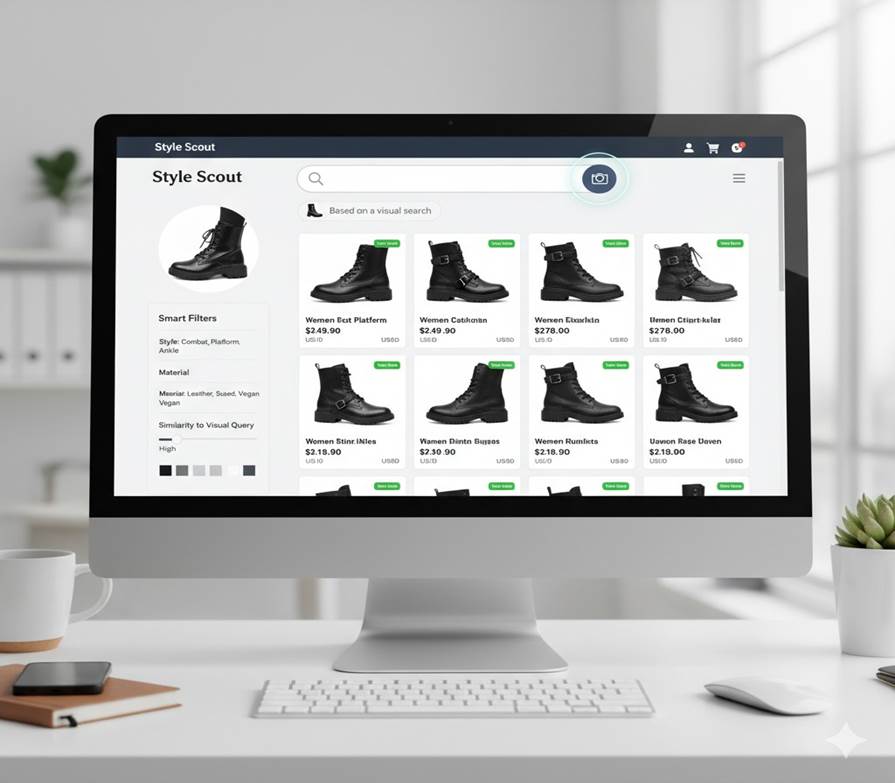
In short: If your brand looks good on camera and speaks the right “visual language,” you’ll win.
Generative Engine Optimization (GEO): Finding What’s Nearby
Here’s the newest kid on the block. Millions of people now ask AI tools like ChatGPT or Gemini instead of Googling.
When you search for “restaurants near me” or “plumber in [your city],” you’re using geo search. It’s incredibly important for local businesses.
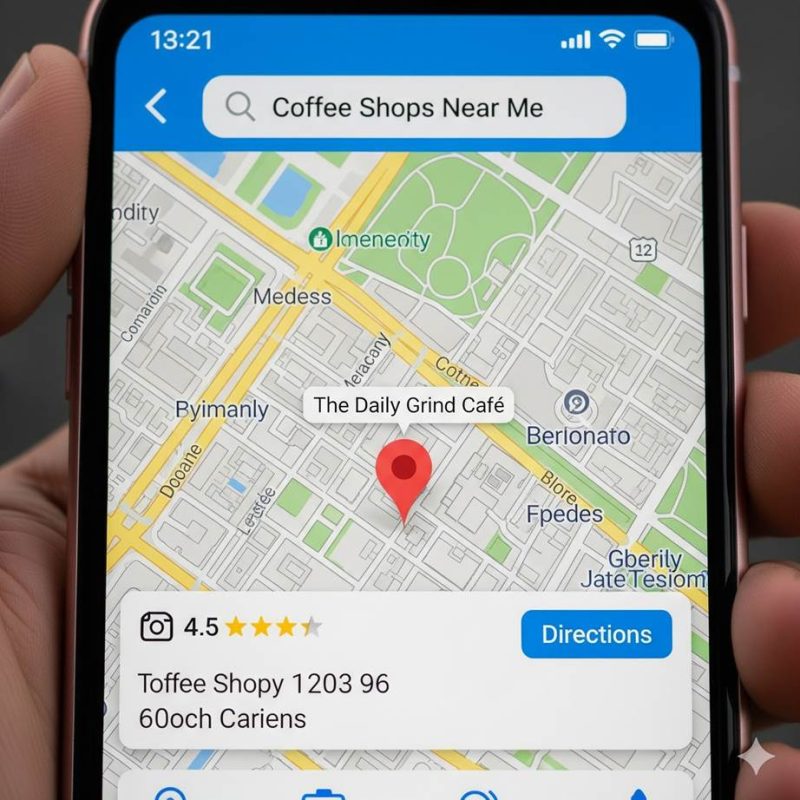
How it’s Evolving: Hyper-localization is key. Search engines are getting even better at understanding your precise location and showing you the most relevant local options.
How to Optimize:
- Google Business Profile (formerly Google My Business): This is your absolute best friend for local SEO. Claim and optimize your profile with accurate information, photos, and regular updates.
- Local Citations: Make sure your business name, address, and phone number (NAP) are consistent across all online directories (Yelp, Yellow Pages, etc.).
- Location Pages: If you have multiple locations, create dedicated pages for each, with unique content.
- Local Keywords: Use your city and neighborhood names in your content where it makes sense.
- Reviews: Encourage customers to leave reviews on your Google Business Profile and other relevant sites.
The Takeaway: Be Helpful, Be Human
SEO is no longer one-size-fits-all. In 2025 and beyond, people search in many ways—by talking, snapping, or asking AI directly.
That means your strategy should cover:
- Voice SEO → conversational and local.
- Visual SEO → optimized images and shoppable visuals.
- GEO → visibility inside AI-generated answers.
The future of SEO isn’t about chasing keywords. It’s about being helpful, human, and present—wherever people are searching.
Final Thought
The question isn’t just “Can I rank on Google?” anymore. It’s:
👉 If someone asks Siri, snaps a photo, or consults AI about my industry… will my brand show
up?
The future of SEO isn’t about outsmarting the machine. It’s about making your website the most helpful, user-friendly, and all-around awesome place on the internet. And if you do that, the algorithms will have no choice but to love you back.